Products compared together: cross-merchandising
Which products do shoppers weigh against each other? How pairs picked up one after the other inform placement, pairings and screen content.
Every range has products that sit on the shelf all week without a hand reaching for them. Sales data shows they did not sell; pickup data shows whether anyone even looked.
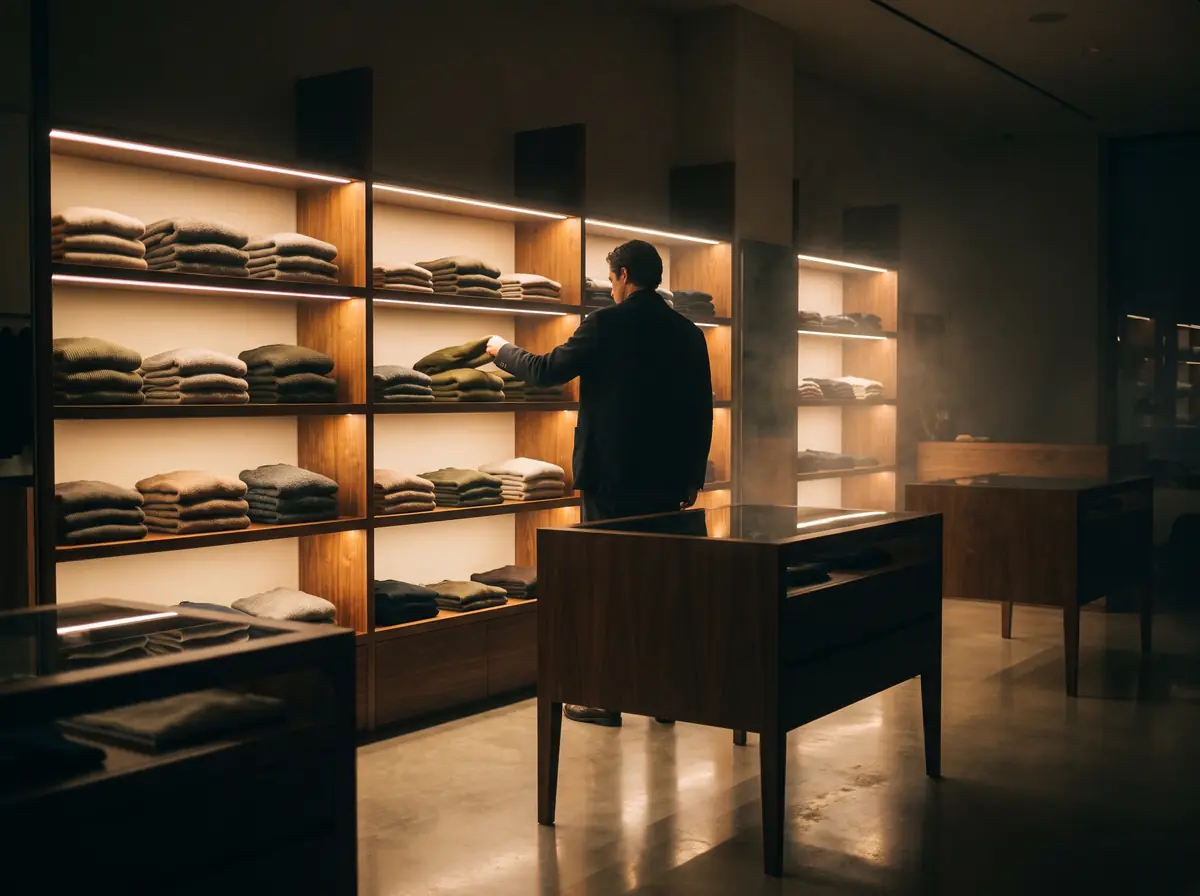
A never-touched product is a product on the shelf that draws almost no pickups over a period. It is different from a slow seller: a slow seller is picked up and put back, while a never-touched product is not picked up at all. That points first to where it is and how it is shown, and only then to the product itself.
| Signal | Slow seller | Never-touched product |
|---|---|---|
| Pickups | Many | Almost none |
| Put-back rate | High | Too few pickups to tell |
| First thing to check | Price, sizes, the product up close | Placement, visibility, facing and lighting |
Is the product on the shelf in every store, in the colours listed?
Height, facing, what stands in front of it, lighting.
Try a better position and compare pickups before and after.
Beside a product of the same family that shoppers already pick up.
If a better position still draws no hands, the range review has its answer before a markdown does.
Yes. It reports pickups per product and variant, average hold time, put-back rate, products compared together and never-touched products. It measures how long a product is held, not how long someone stands in front of it.
Yes, as a before-and-after comparison: move a product to a new shelf zone or fixture and compare its pickups, hold time and put-backs with the period before. GoTrack shows the change; it does not run statistical tests for you.
Yes. Several stores and brands are managed from one panel, reports are split per store, and every store device's health is monitored remotely.
We will show you the report on products like yours.
or write to info@gotonom.com